👁 44🎧 0📋 0❤ 0
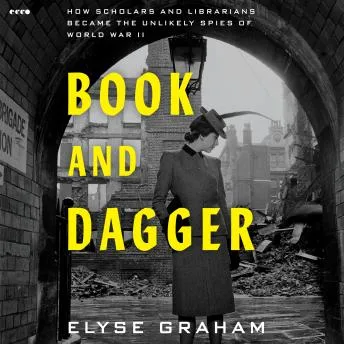
Book and Dagger: How Scholars and Librarians Became the Unlikely Spies of World War II
by Elyse Graham · 10h 54m
The United States entered the Second World War without a foreign intelligence service, and the agency cobbled together to fill the gap, the Office of Strategic Services, went looking for recruits in university libraries and faculty offices. Elyse Graham follows three of them: Sherman Kent, a Yale historian with a fondness for red suspenders and chewing tobacco who built the analysis branch and is often called the father of modern intelligence assessment; Joseph Curtiss, an English professor posted to Istanbul who turned captured German agents into double agents; and Adele Kibre, a medievalist from Chicago who went to Stockholm to buy books, newspapers and maps the military could read for clues. Their training was as scholars, and that was the point: an index card and a good filing system could yield more than a safe full of stolen documents. Graham also argues that the habit of treating women's contributions as incidental has kept Kibre and others out of the record, which is part of what the book sets out to correct.
AUTHOR
Community reviews
Write a reviewNo reviews yet — be the first to write one.
💡 If you liked this, you'll like…
Sign in to suggest an audiobook.No suggestion yet. Know a similar audiobook? Be the first to propose one.